Verónica Pascal: The Life, Legacy, and Lasting Influence of a Devoted Mother and Psychologist

Introduction
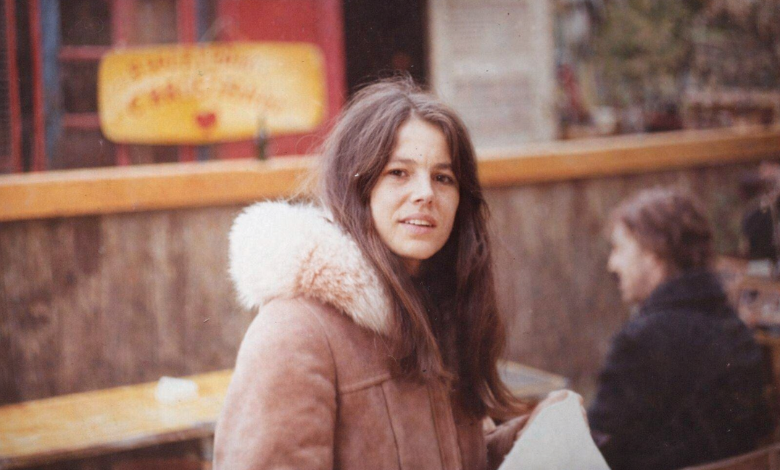
Verónica Pascal Ureta was a Chilean child psychologist whose life was deeply shaped by political upheaval, migration, motherhood, and personal struggle. Although she never sought public attention, her name became widely recognized through her son, the internationally acclaimed actor Pedro Pascal. Yet to define Verónica solely as Pedro Pascal’s mother would be incomplete. She was an educated professional, a woman shaped by Chile’s turbulent history, and a mother whose influence profoundly shaped her children’s identities and achievements.
This article presents a comprehensive look at her life, family background, exile, professional work, and the emotional legacy she left behind.
Early Life and Political Background
Verónica Pascal was born in Chile into a family connected to the country’s political landscape. She was related to Andrés Pascal Allende, a revolutionary leader associated with Chile’s leftist political movements during the 1970s. This connection placed her extended family within a highly charged political environment during one of Chile’s most unstable periods.
In 1973, Chile experienced a military coup that dramatically reshaped the nation’s political and social order. The coup led to widespread repression, persecution, and fear among those connected to opposition groups. Verónica and her husband, José Balmaceda Riera, a physician, were among those who faced serious risks due to the political climate.
The pressures of this era would ultimately force the family into exile — a life-altering transition that shaped the future of her children.
Education and Career in Psychology
Before exile, Verónica pursued higher education and trained as a child psychologist. Her work focused on children’s emotional development, well-being, and psychological health. Although detailed public records of her professional career remain limited, it is known that she was committed to understanding childhood development and emotional resilience.
Her academic background in psychology likely influenced the way she raised her children. Those close to the family have described her as thoughtful, emotionally intelligent, and deeply attentive to her children’s creative and intellectual growth.
Psychology is a profession grounded in empathy, patience, and understanding — qualities that would later become evident in the way her children speak about her influence.
Exile from Chile and Resettlement Abroad
After the 1973 military coup, Verónica and her husband sought asylum to protect their family. The family initially fled to Denmark before eventually settling in the United States.
Exile is never a simple relocation. It involves loss — of homeland, familiarity, extended family networks, and cultural stability. For Verónica, the move required immense emotional strength. She had young children to raise in a foreign country, in a new language, within a different cultural framework.
Eventually, the family established themselves in the United States, where Pedro and his siblings would grow up. Despite displacement and adaptation challenges, Verónica worked to ensure that her children maintained a connection to their Chilean heritage.
Family and Children
Verónica Pascal and José Balmaceda Riera had four children:
- Javiera Balmaceda, who later became a respected producer and executive in the entertainment industry.
- Pedro Pascal, who would go on to star in major productions such as Game of Thrones, The Mandalorian, and The Last of Us.
- Nicolás Balmaceda Pascal, who maintains a more private life.
- Lux Pascal, an actress and transgender activist.
Verónica’s influence can be observed in the creative and expressive paths her children pursued. Both Pedro and Lux entered acting, while Javiera developed a successful career in film and television production. The arts, communication, and storytelling became recurring themes within the family.
The Meaning Behind the Name “Pascal”
Pedro Pascal was born José Pedro Balmaceda Pascal. Early in his acting career, he chose to use “Pascal” as his professional surname. This decision was not random — it was a tribute to his mother.
By adopting her surname as his public identity, Pedro ensured that her name would live on globally. It was both a personal homage and an acknowledgment of her profound role in shaping his life.
The choice reflects deep admiration and emotional attachment. In interviews, Pedro has spoken about his mother’s belief in him and her support of his artistic ambitions.
A Mother’s Influence on Artistic Confidence
Creative careers often require resilience. The entertainment industry is competitive, uncertain, and emotionally demanding. Pedro Pascal has spoken openly about years of rejection and financial instability before achieving mainstream success.
Throughout those early struggles, Verónica remained a source of encouragement. She believed in his talent and supported his ambitions long before global fame arrived. That foundational confidence, planted in childhood, became critical to his persistence as an adult.
Her background in psychology may have helped her nurture emotional awareness and self-belief in her children. She reportedly encouraged intellectual curiosity and creative expression, giving her children room to explore identity and imagination.
Personal Struggles and Tragic Death
Despite her professional training and devotion to family, Verónica Pascal faced personal struggles. In 1999, she died by suicide. Pedro was in his mid-twenties at the time — an age when he was still building his acting career and finding his place in the world.
The loss deeply affected him. In various interviews over the years, Pedro has acknowledged the emotional impact of losing his mother and how it shaped his understanding of grief, resilience, and empathy.
Suicide remains a complex and painful topic. It underscores that mental health challenges can affect anyone, regardless of education, intelligence, or family support. Verónica’s death highlights the importance of mental health awareness and compassionate dialogue.
Public Tributes and Recognition
In 2023, when Pedro Pascal hosted Saturday Night Live, the band Coldplay dedicated their song “Fix You” to him and his mother. The tribute resonated emotionally with audiences and symbolized how her memory remains intertwined with his public journey.
Moments like these show that although Verónica never sought fame, her influence extends far beyond her lifetime. Her name continues to be spoken with respect and affection.
The Complexity of Legacy
Legacy is not measured only by public achievements. It is measured by impact — by the lives shaped, the values transmitted, and the emotional imprint left behind.
Verónica Pascal’s legacy lives in:
- The international success of her children
- The preservation of Chilean identity within a diasporic family
- The public acknowledgment of her influence
- The ongoing conversations about mental health awareness
She represents a generation of Chileans who experienced exile, adaptation, and resilience. Her story is also a deeply human one — about motherhood, sacrifice, displacement, and vulnerability.
Cultural Identity and Resilience
Raising children between cultures requires intentional effort. Verónica ensured that her children maintained Spanish language skills and a connection to their Chilean roots, even while growing up in the United States.
Pedro Pascal has frequently spoken Spanish in interviews and has embraced Latin American identity proudly. That cultural confidence reflects the foundation laid at home.
Exile often produces fragmented identity. Yet in the Pascal family, it appears to have produced dual belonging — Chilean heritage alongside American opportunity.
Understanding Her Story Beyond Celebrity
While public interest in Verónica Pascal often stems from her famous son, her story stands independently as well. She was:
- A trained psychologist
- A political exile
- A devoted mother
- A woman who navigated displacement and adaptation
- A person who struggled with mental health challenges
Her life reflects both strength and vulnerability — two qualities that frequently coexist.
Conclusion
Verónica Pascal’s life cannot be reduced to a footnote in her son’s biography. She was an educated professional shaped by political upheaval, a mother who nurtured creativity and resilience, and a woman whose personal battles remind us of the complexity of mental health.
Through Pedro Pascal’s tribute in adopting her surname, through public acknowledgments of her influence, and through the continued success of her children, her legacy endures.
Her story is one of love, displacement, encouragement, and loss — but above all, it is a reminder that behind every public figure stands a private history filled with human depth.
Frequently Asked Questions (FAQs)
Who was Verónica Pascal?
Verónica Pascal was a Chilean child psychologist and the mother of actor Pedro Pascal. She was part of a politically connected family and went into exile after the 1973 Chilean coup.
Why did Pedro Pascal change his surname?
Pedro Pascal adopted his mother’s surname as his professional name to honor her influence and legacy.
What was Verónica Pascal’s profession?
She was trained and worked as a child psychologist, focusing on children’s emotional and developmental well-being.
What happened to Verónica Pascal?
She died by suicide in 1999, a loss that deeply affected her family, particularly Pedro Pascal.
How is she remembered today?
She is remembered through her children’s achievements, public tributes, and the continued acknowledgment of her emotional and cultural influence.