Modern homes increasingly rely on efficient climate control systems to maintain comfortable indoor conditions year-round. Heating and cooling technology has evolved considerably as homeowners seek systems that deliver consistent performance while using energy more responsibly. Among the innovations gaining widespread attention is heat pump technology, which offers a different approach compared with traditional heating and cooling equipment. Rather than generating heat through combustion or relying entirely on separate systems, heat pumps transfer heat from one place to another. We will explore how this technology is reshaping residential comfort by improving efficiency, enhancing seasonal adaptability, supporting environmental goals, and influencing homeowners’ thinking about long-term climate-control solutions.
The Science Behind Heat Pump Operation
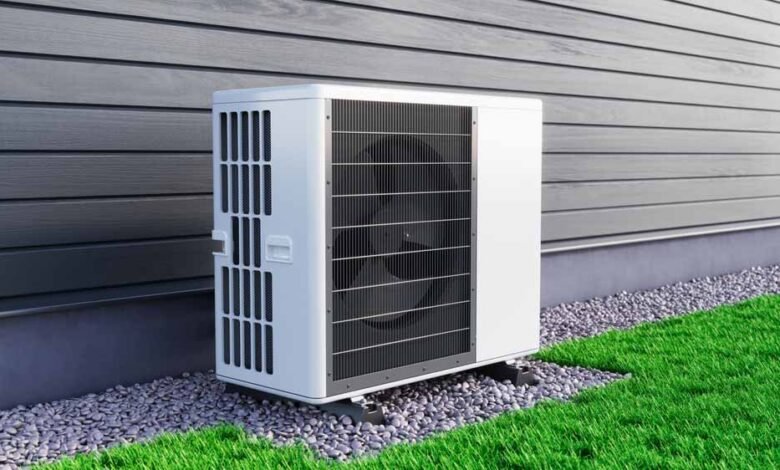
Heat pumps operate on a principle that differs from that of traditional furnaces or air conditioners. Instead of producing heat by burning fuel or generating it through electrical resistance, a heat pump transfers heat energy from one environment to another. During cooler months, the system extracts heat from outdoor air or the ground and moves it indoors. In warmer months, the process reverses, removing heat from indoor air and releasing it outside. This dual capability allows a single system to manage both heating and cooling throughout the year.
The core components responsible for this process include a compressor, refrigerant lines, expansion valves, and indoor and outdoor coils. Refrigerant circulates through the system, absorbing heat as it evaporates, then releasing it as it condenses. This cycle continues as long as the system is operating, allowing heat to move even when the outside feels cold. Modern engineering has improved the reliability of this process, enabling heat pumps to operate effectively across a wider temperature range than earlier designs. Because of these improvements, many homeowners researching San Clemente HVAC services are learning how heat pump systems can provide both heating and cooling through a single, integrated setup. As a result, households can rely on one efficient system rather than maintaining separate heating and cooling equipment.
Improving Household Energy Efficiency
One of the reasons heat pump systems are becoming increasingly common is their ability to operate with greater energy efficiency compared with many conventional heating methods. Because heat pumps move heat rather than generate it directly, they often require less energy to maintain indoor comfort. The amount of heat delivered into a home can exceed the electrical energy required to operate the system, creating a favorable balance between energy consumption and output.
This efficiency has practical implications for homeowners. Lower energy consumption can translate into reduced utility costs over time, especially in regions where electricity is used as the primary energy source. Advances in variable-speed compressors and smart thermostat integration have also improved system performance. These features allow heat pumps to adjust their output gradually instead of operating in abrupt on-and-off cycles. By running more steadily, the system maintains consistent indoor temperatures while minimizing unnecessary energy use.
Improved insulation and modern home construction techniques further enhance these advantages. When a home retains conditioned air effectively, a heat pump can operate even more efficiently. Together, these factors illustrate why heat pump technology is increasingly viewed as a practical approach for long-term residential comfort management.
Year-Round Climate Control From a Single System
Another factor driving interest in heat pumps is their ability to handle both heating and cooling duties within one integrated system. Traditional homes often rely on a furnace for heating and a separate air conditioning unit for cooling. This arrangement requires additional equipment, installation space, and maintenance. A heat pump simplifies this arrangement by performing both functions through the same infrastructure.
During winter, the system collects available heat from the outdoor environment and transfers it indoors. In summer, the process reverses and the heat pump works similarly to an air conditioner, removing indoor heat and releasing it outside. This flexibility allows homeowners to maintain consistent indoor conditions without switching between separate mechanical systems.
The convenience of this dual operation extends beyond comfort. Maintenance requirements may become easier to manage because technicians focus on a single integrated system rather than multiple pieces of equipment. In addition, many modern heat pump systems include advanced controls that allow homeowners to schedule temperature changes or monitor system performance remotely. These capabilities contribute to a more adaptable and user-friendly home climate experience.
Heat pump technology represents a significant shift in how modern homes approach heating and cooling. By transferring heat rather than generating it directly, these systems provide an efficient and flexible method of maintaining comfortable indoor conditions. Continued innovation in system design, energy management, and smart controls will likely expand their role in residential comfort solutions. As households seek reliable and efficient climate control, heat pumps are becoming an increasingly important component of modern home infrastructure.