Saliva is often treated as a dental concern, yet it carries a moving snapshot of the body’s chemistry. Hormones, immune signals, proteins, fragments of DNA and RNA, and metabolites can enter oral fluid through blood filtration, glandular secretion, and tissue inflammatory leakage. That mix makes saliva appealing for early detection because collection is painless, repeatable, and practical outside hospital settings. The promise is not that saliva replaces blood for every condition, but that it can flag risk earlier, track changes more frequently, and widen access to screening when needles, cost, or logistics become barriers.
How saliva becomes a screening tool
- Signals in Saliva That Reflect Whole Body Changes
Salivary diagnostics work when measurable signals in oral fluid reliably track what is happening systemically. Inflammation is a clear example. Markers commonly measured in blood, such as C-reactive protein and certain cytokines, have also been studied in saliva, and researchers have reported meaningful correlations for some markers under controlled conditions. Stress biology is another window, because cortisol can be measured in saliva and reflects hypothalamic-pituitary-adrenal activity without a needle draw. Metabolic disease detection is also being explored, including salivary glucose-related measures and other molecules that may correlate with glycemic control or inflammatory burden in diabetes. The key point is that saliva is not a single substance but a dynamic fluid influenced by hydration, flow rate, oral inflammation, and timing. Early detection efforts focus on patterns and panels rather than one standalone number, because systemic disease rarely produces a single perfect marker, and saliva adds its own variability that must be managed.
- From Dental Chair to Systemic Risk Conversations
One practical advantage of saliva is that it fits naturally into routine dental visits, where patients already expect preventive screenings and follow-ups. That opens a pathway to identify risk signals earlier, especially for people who rarely see a primary care clinic. Some dental-focused reporting has noted growing interest in saliva testing and the evolving oversight environment for lab-developed tests, which affects how these assays are validated and offered in practice. Even when a saliva result is not diagnostic on its own, it can serve as a trigger for confirmatory testing and referral, much like blood pressure screening can lead to further evaluation. A clinic might use salivary measures to support conversations about inflammation, cardiometabolic risk, or infection monitoring, while staying clear that results require interpretation in context. A patient who hears that Camden Dental uses saliva-based screening may be more willing to engage because the sample collection is quick and noninvasive. This linkage between oral health touchpoints and systemic health follow-through is where saliva diagnostics can change behavior, not just lab workflows.
- What Saliva Can Do Well and Where It Struggles
The strongest use cases tend to be those in which frequent sampling matters, trends are more informative than single readings, or access barriers make traditional testing less likely. Saliva collection supports repeated monitoring, which can be useful for tracking inflammatory shifts, stress-related biology, or recovery patterns across time, provided the collection method is standardized. Saliva has also proven useful for certain infectious disease testing in specific contexts, including authorized molecular testing approaches that use saliva specimens under defined conditions. At the same time, limitations are real. Salivary concentrations can be lower than blood concentrations, can vary with flow rate, and can be affected by oral conditions such as gum inflammation, mouth sores, or recent brushing. Food, caffeine, smoking, and time of day can shift readings. These challenges push developers toward stricter protocols, better collection devices, and calibration strategies that account for dilution and contamination. The goal is reliability, because early detection only helps when it reduces false alarms and missed signals, not when it adds confusion.
How Programs Make Results Trustworthy in Real Life
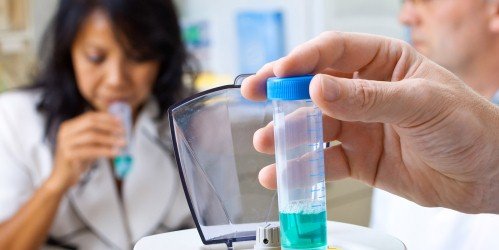
For saliva diagnostics to support early detection of systemic disease, the process around the sample matters as much as the biomarker itself. Collection protocols often specify timing, fasting status, and avoidance rules, because consistency improves comparability across visits. Labs also need validated assays and reference ranges that reflect the collection method used. This is where regulation, oversight, and clinical validation shape what becomes routine care, especially when tests are offered as lab-developed services. Clinically, saliva works best when integrated into a decision pathway: screen, confirm, and act. A positive risk signal should lead to a clear next step, such as a blood test, imaging, or medical referral, while a low risk pattern may guide lifestyle counseling and repeat testing on a defined schedule. Researchers continue to explore multi-marker panels that include inflammatory markers, metabolic indicators, and cardiac-associated proteins. However, many applications still require more evidence to reduce bias and ensure performance across diverse populations.
Salivary diagnostics is moving from an interesting idea to a practical complement for early detection of systemic disease. Its strength is access: it enables painless sampling, repeated measurements, and screening in settings where traditional testing may be delayed. Its value grows when clinics focus on standardized collection, validated assays, and trend-based interpretation rather than treating saliva as a drop-in replacement for blood. The most realistic future is a hybrid model in which saliva flags risk and guides follow-up, helping patients move sooner from vague symptoms or silent inflammation to confirmatory testing and targeted care.