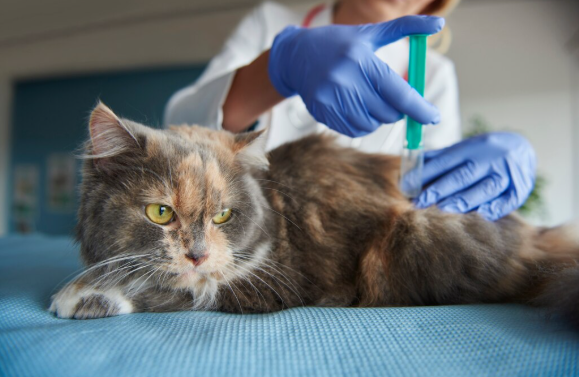

Finding blood in your cat’s litter box is scary. Whether it is a pink tinge, red drops, or full red urine, it is not normal. It means something is wrong. Cats hide pain and illness. By the time you see blood, the problem has worsened. It has been there for a while. Here is what blood in a cat’s urine could mean.
Feline Idiopathic Cystitis
Feline Idiopathic Cystitis is the most common cause of blood in a cat’s urine. Cystitis means bladder swelling. Stress is often the trigger for this condition. It is common in new pets, as a different home, new people around, and changes in routine, affect their health. Due to stress and maybe any other issues, the bladder lining of your cat swells and bleeds. After that, your pet strains to pee. Only a little comes out, and they may cry or go outside the box.
Blood in cat urine (貓咪尿尿有血) from FIC is scary. But it can be treated with stress relief. You should calm the cat,, reduce changes in its daily routine. Also, use pheromone diffusers and keep their world predictable. However, FIC can come back, and it is chronic for some cats. But managing stress is the key to dealing with this health condition.
Cancer or Tumors
Older cats are at higher risk. Tumors can grow in the bladder, kidneys, and urethra. These growths can be benign or malignant. Both conditions can cause bleeding and need attention. Blood in urine is often the first sign. Sometimes, it is the only sign for weeks. The blood may come and go. Many cat parents think it passed, but it did not. The tumor is still there.
As tumors grow, other signs appear, such as straining to pee, going to the litter box often, and getting little urine each time. Your cat may feel pain and may stop using the litter box at all. They also may lick their private area a lot.
Cancer is a serious condition. It does not go away on its own. Its treatment depends on the type of tumor. The vet analyzes where it is and how far it has spread. Surgery may remove the tumor if caught early. Chemo can also slow some cancers, and some medications can keep your pet comfortable. However, keep in mind that early detection is the key. The sooner you know about the cancer, the more treatment options you will have.
Urinary Tract Infections (UTIs)
UTIs are less common in cats than in dogs. But they happen. Bacteria get in, grow, and cause pain to your lovely cat. They also cause bleeding. Signs of UTIs are similar to FIC, such as straining and blood in the cat’s urine. Moreover, your pet may seem tired and not want to eat. They may also hide from you. UTIs need a vet visit immediately. Antibiotics clear them. However, if left unchecked, these infections can spread to the kidneys, which is serious.
Bladder Stones
Minerals in urine clump. They form stones, which scratch the bladder wall. This causes bleeding and severe pain. Stones can even block the urethra. After that, the cat strains and nothing comes out. Your furry friend may cry. That’s why blockage is an emergency, and you must visit the vet immediately.
Male cats are more at risk of bladder stones. Their urethra is narrow and easy to block. If your cat cannot pee, you should go to the vet now. Otherwise, your cat’s bladder can burst. Toxins build, and death comes fast.
Trauma or Injury
Cats fall. They may get hit by cars or get into fights. Trauma can injure their bladder, kidneys, and urethra. Blood in urine after an accident means internal injury. You should go to the vet now. Internal bleeding can lead to many serious issues and even kill your furry friend.
However, blood can also come from outside, such as a cut on the private area or a wound. In this condition, blood drips in urine and looks like it is from inside. You must check properly and after that act accordingly.