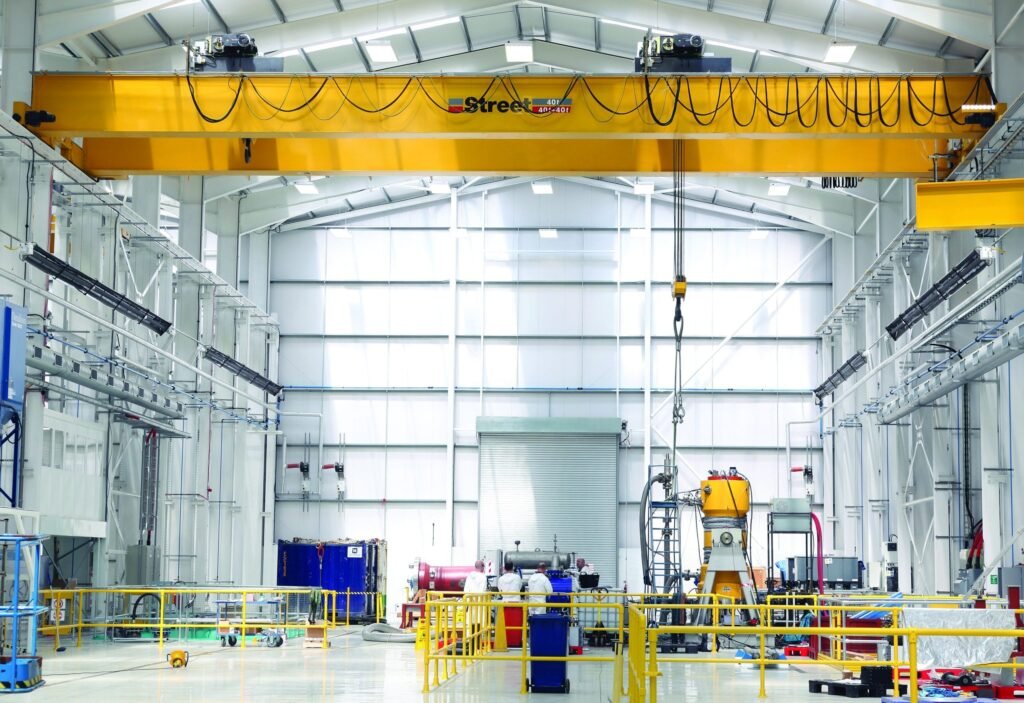

In modern manufacturing, moving massive loads safely, efficiently, and accurately is a constant challenge. Double girder cranes have emerged as a transformative solution for industries that demand reliable heavy lifting capabilities. With their robust design and versatility, these cranes elevate how factories handle large components, streamline production flows, and tackle tasks that were once considered too complex or dangerous for traditional lifting methods. We will explore how double girder cranes are reshaping manufacturing landscapes by enabling greater load capacities, improving workflow integration, and enhancing overall operational performance. These improvements not only enhance productivity but also support long‑term sustainability and worker safety in facilities around the world.
Design Advantages That Drive Lifting Performance
At the heart of every effective heavy‑duty lifting solution is its structural design, and HOJ Innovations double girder cranes deliver significant advantages through their configuration. Unlike single girder cranes that use one beam to support the hoist and trolley, a double girder crane uses two parallel girders, distributing weight more evenly and allowing for increased lifting capacities. This dual‑beam arrangement significantly enhances stability, allowing handling of loads that would otherwise cause undue stress and risk with a single‑beam setup. The added rigidity also reduces deflection during lifting operations, ensuring smoother and safer movement of heavy items across manufacturing floors.
Another advantage of this design is its adaptability to long spans and large working areas. Manufacturing facilities often span hundreds of feet, and critical operations may require cranes to move materials across vast distances without sacrificing performance. Double girder cranes are engineered to maintain structural integrity across wider spans, meaning they can traverse extensive work zones without compromising safety or precision. This makes them indispensable in environments like shipyards, steel mills, and large assembly plants where lifting heavy parts over wide areas is a daily requirement.
Moreover, the layout of double girder cranes lends itself to supporting more complex hoist configurations. When lifting oversized or unusually shaped components, multiple lifting points may be needed. The rigidity of a double girder system supports such configurations without inducing excessive stress or deformation. Manufacturers gain the flexibility to customize their lifting approach according to the specific geometry and weight of loads, which increases operational versatility and reduces reliance on temporary or ad‑hoc lifting solutions that can compromise safety.
Operational Integration with Modern Workflows
Integrating double girder cranes into modern manufacturing workflows goes far beyond simply installing a piece of heavy equipment. These cranes are engineered to complement automated systems, material handling frameworks, and production sequencing. As factories increasingly embrace digital technologies and automation, the role of cranes must evolve to support synchronized operations. Double girder cranes can be equipped with programmable controls that interface with enterprise management systems and automated guided vehicles (AGVs), enabling coordinated movement of parts through production lines.
For example, in an automotive manufacturing plant, engines and body frames must travel through multiple workstations in sequence. Double girder cranes can work in tandem with conveyor systems and automated tooling to ensure the precise placement of components as they arrive. Integration with digital control systems also allows real‑time monitoring of crane performance, load patterns, and maintenance requirements. This data connectivity supports predictive planning and minimizes unexpected downtime related to equipment issues.
Safety protocols are also deeply embedded in the operational design of contemporary double girder cranes. Sensors can detect issues like overloads, misalignment, or excessive sway, triggering automatic responses that protect both the crane and facility personnel. In manufacturing ecosystems where time and worker well‑being are equally valuable, these proactive safety measures help facilities maintain productivity while avoiding unnecessary hazards. The ability to monitor operations remotely also supports continuous improvement practices, as production managers can review data and refine workflows to eliminate inefficiencies.
Economic Impact on Manufacturing Efficiency
Heavy lifting often entails significant time and labor resources, especially when equipment limitations force longer handling times or additional personnel. By introducing double girder cranes, manufacturers can dramatically reduce these inefficiencies. Their higher load capacities and faster lifting speeds reduce task cycles, thereby accelerating overall production timelines. When components are moved more quickly and safely between workstations, the cumulative effect on output can be substantial.
Lower maintenance costs over the long term also contribute to economic benefits. The robust engineering of double girder cranes means they are designed to withstand frequent use in demanding conditions without frequent repairs. Regular service is still necessary, but routine wear‑and‑tear issues are less common than with lighter cranes that are pushed beyond their intended capacities. This durability contributes to better asset longevity and reduces the need for frequent replacements, balancing initial investment against ongoing operating costs.
Labor efficiency is another key economic advantage. Because double girder cranes can lift and position heavy loads with precision, they often require fewer operators and reduce the physical demands on workers. This allows personnel to be allocated toward tasks that require judgment, creativity, and technical input rather than manual movement of parts. Over time, the cumulative reduction in labor costs, when combined with improved production throughput, can result in a noticeably higher return on investment for facilities that rely on frequent heavy lifting.
Double girder cranes have fundamentally altered how heavy lifting is approached in modern manufacturing. Through their strong design, integration with automated systems, and impact on efficiency and safety, they help facilities manage large loads with greater confidence and fewer constraints. As manufacturing continues to embrace digital transformation and higher production demands, these cranes provide a foundation for resilient, adaptable, and productive lifting solutions. By supporting heavier loads, enabling smoother operations, and enhancing safety, double-girder cranes are a vital asset for industries navigating the complexities of contemporary production environments.