
Introduction
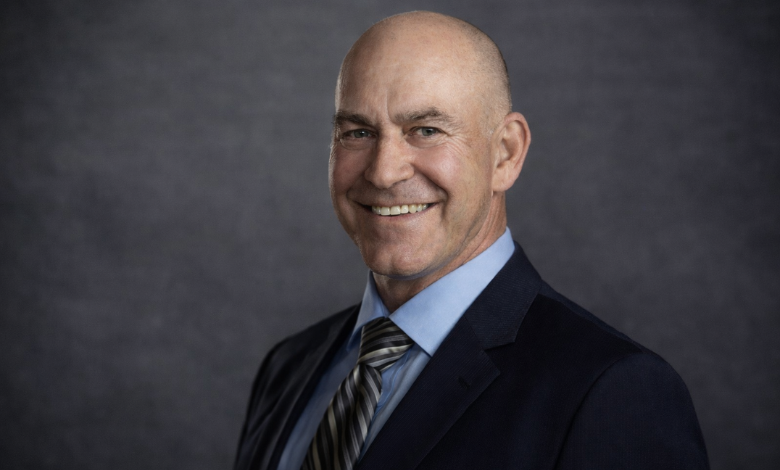
In the world of American freight transportation, few careers illustrate dedication and steady advancement as clearly as that of Claude Edward Elkins Jr. His professional journey represents more than corporate success; it reflects a life shaped by discipline, operational experience, and strategic growth within one of the nation’s most essential industries.
Over the course of more than three decades, Elkins built his career within Norfolk Southern Corporation, rising from frontline rail operations to one of the company’s highest executive positions. His path offers insight into the structure of the modern railroad industry, the importance of operational credibility in leadership, and the evolving role of freight rail in the American economy.
Early Roots and Regional Influence
Claude Edward Elkins Jr. was raised in Southwest Virginia, a region historically connected to coal mining and freight rail transportation. Railroads have long shaped the economy and culture of this part of the United States. Growing up in such an environment meant that rail lines were not simply transportation corridors; they were symbols of industrial movement and economic opportunity.
Although detailed accounts of his early personal life remain limited in public records, professional biographies consistently describe a strong foundation of work ethic and discipline. These values would later become central to his leadership style.
The environment of Southwest Virginia, where industrial labor and transportation intersect, likely influenced his early interest in practical, hands-on work. Rather than beginning his professional life in a corporate office, Elkins chose a path directly connected to the physical realities of rail transportation.
Academic Development and Intellectual Foundation
Education became an important complement to his professional ambitions. Elkins earned a Bachelor of Arts in English from University of Virginia’s College at Wise. While English may seem distant from railroad logistics, the discipline strengthened his communication skills, analytical thinking, and structured reasoning—traits essential for effective leadership.
He later expanded his expertise by earning a Master of Business Administration in Port and Maritime Economics from Old Dominion University. This advanced study provided him with a deep understanding of supply chains, maritime trade, and transportation economics. By combining humanities and business education, Elkins developed a balanced perspective that would later shape his executive decisions.
Entering the Railroad Industry
In 1988, Elkins joined Norfolk Southern as a road brakeman. This was not a managerial entry point; it was one of the most physically demanding roles within rail operations. A road brakeman works outdoors in all weather conditions, assisting with the assembly of trains, coupling and uncoupling railcars, and ensuring operational safety.
This early position placed him directly in the operational heart of the railroad. He gained firsthand knowledge of train mechanics, crew coordination, and safety protocols. Unlike many corporate leaders who rise through administrative training programs, Elkins built his experience from the ground up.
That early exposure to operational complexity provided him with practical credibility—an asset that would later define his leadership identity.
Operational Growth and Field Experience
After beginning as a road brakeman, Elkins advanced through several operational roles, including conductor, locomotive engineer, and relief yardmaster. Each of these positions required increasing responsibility and technical knowledge.
As a conductor, he was responsible for supervising train crews and ensuring safe movement across complex rail networks. As a locomotive engineer, he operated freight trains directly, navigating schedules and mechanical systems. As a yardmaster, he coordinated rail traffic within busy rail yards, managing logistics under time-sensitive conditions.
This layered operational experience gave him insight into workforce realities, scheduling challenges, and safety priorities. It also fostered a leadership style rooted in understanding rather than abstraction.
Transition into Commercial Strategy
After years in operations, Elkins transitioned into commercial and marketing roles within Norfolk Southern. This shift marked a turning point in his career.
Railroads do not simply move trains; they manage relationships with manufacturers, agricultural producers, energy companies, and automotive firms. In his commercial roles, Elkins worked on intermodal transportation strategies, freight marketing initiatives, and customer development.
Intermodal transportation—combining rail with truck and maritime shipping—became a growing focus in the industry. His background in port and maritime economics positioned him well for this evolving area.
The ability to integrate operational understanding with commercial planning distinguished him from peers who lacked field experience.
Ascending to Executive Leadership
Over time, Elkins held senior leadership roles within Norfolk Southern, including positions overseeing industrial products and chemical markets. His responsibilities expanded to include broad commercial oversight.
Eventually, he was appointed Executive Vice President and Chief Commercial Officer. In this role, he oversees multiple divisions, including intermodal services, industrial freight markets, automotive logistics, field sales, and strategic development.
As Chief Commercial Officer, his responsibilities extend beyond revenue generation. He participates in shaping long-term infrastructure strategy, sustainability planning, and customer relationships that influence national supply chains.
His leadership role places him among the key decision-makers guiding one of the largest freight railroad systems in the United States.
Leadership Characteristics
Claude Edward Elkins Jr. is often described as a calm and methodical leader. Several traits define his executive approach.
First, his operational background gives him credibility with frontline employees. Workers recognize that he understands the physical demands of rail labor.
Second, his communication skills—shaped by his academic training—allow him to bridge technical and commercial discussions effectively.
Third, he is known for strategic patience. Freight rail operations require long-term planning, capital investment, and regulatory compliance. His decisions reflect careful analysis rather than impulsive reaction.
Finally, he demonstrates balance. Effective freight leadership must align shareholder expectations with employee welfare, customer needs, and environmental responsibility.
Industry and Community Engagement
Beyond corporate responsibilities, Elkins has participated in broader economic and community initiatives. He has served in advisory and board roles connected to organizations such as the Georgia Chamber of Commerce and the National Association of Manufacturers. He has also been involved with TTX Company, which provides railcar pooling services across North America.
These engagements reflect his broader influence in manufacturing, logistics, and economic development. Freight rail intersects directly with national industrial output, and leadership within this space carries implications beyond a single corporation.
The Broader Impact of Freight Rail Leadership
Freight rail remains one of the most efficient modes of bulk transportation in the United States. It plays a central role in moving agricultural products, automotive components, industrial materials, and consumer goods.
Executives such as Elkins influence how these goods move across thousands of miles of rail lines. Strategic decisions regarding capacity expansion, pricing models, and intermodal integration affect national commerce.
In an era of environmental awareness, rail transportation also offers lower emissions per ton-mile compared to long-haul trucking. Leadership within the sector therefore contributes to sustainability goals as well as economic performance.
A Career Defined by Progression
One of the most striking aspects of Elkins’ career is its steady progression. Beginning in a physically demanding entry-level position and rising to executive leadership illustrates not only ambition but also long-term commitment.
Such trajectories are relatively uncommon in large corporations. His journey demonstrates that operational excellence and continuous education can create opportunities for advancement.
His career serves as an example within the transportation industry of how practical experience, combined with strategic education, can shape influential leadership.
Conclusion
Claude Edward Elkins Jr. represents a model of grounded executive leadership in the American freight rail industry. His path from rail yard operations to corporate boardrooms reflects persistence, skill development, and strategic insight.
By combining operational credibility with commercial vision, he has helped guide one of the nation’s most significant freight transportation systems. His story underscores the enduring importance of railroads in modern supply chains and the leadership required to sustain them.
Frequently Asked Questions (FAQs)
Who is Claude Edward Elkins Jr.?
Claude Edward Elkins Jr. is an American railroad executive serving as Executive Vice President and Chief Commercial Officer at Norfolk Southern Corporation.
How did he begin his career?
He started in 1988 as a road brakeman, performing hands-on operational duties before advancing into commercial and executive roles.
What is his educational background?
He holds a Bachelor of Arts in English from the University of Virginia’s College at Wise and an MBA in Port and Maritime Economics from Old Dominion University.
What does a Chief Commercial Officer in a railroad company do?
The role involves overseeing freight markets, intermodal services, logistics strategy, customer relationships, and revenue development.
Why is his career considered notable?
His rise from frontline rail operations to senior executive leadership demonstrates long-term professional growth built on operational experience and strategic education.